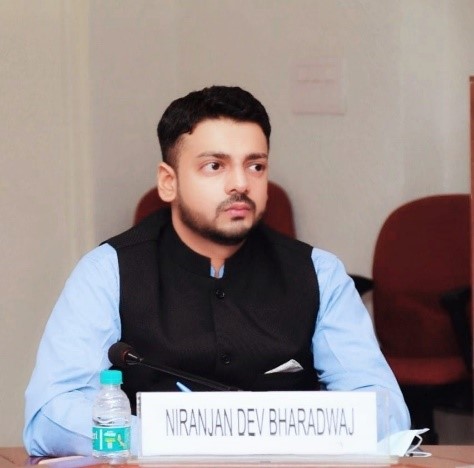
By: Niranjan Dev Bharadwaj
Researcher and Analyst, Global Foundation for Advancement of Environment and Human Wellness. Author, Environmentalist and TED speaker
M.A. in Environment, Development and Peace specialization in Climate Change, United Nations Mandated University for Peace, Costa Rica.
As environmental degradation intensifies across the globe, India’s elderly population is emerging as one of the most vulnerable and overlooked groups. While climate change and sustainability continue to dominate national and international discussions, little attention is being paid to how these issues specifically impact older adults. With India projected to have nearly 194 million elderly citizens by 2031, the nation must recognize that environmental threats are not just about the future—they’re about the present, and they’re already threatening the well-being of our aging population.
The Silent Crisis: How Climate Change Endangers Older Adults
Older people are uniquely at risk when it comes to climate change. Their physical health, mental well-being, and livelihoods are all under siege. As India grapples with rising temperatures, increased pollution, and more frequent extreme weather events, the elderly are often left without the resources or mobility to protect themselves. This is not a distant problem—it’s happening right now, and the consequences are devastating.
Health Risks Escalating: India’s air quality has become a silent killer, particularly for older adults who are more susceptible to respiratory and cardiovascular diseases. Exposure to toxic air can severely worsen pre-existing conditions, putting the elderly at higher risk of mortality. In rural areas, where many elderly individuals rely on agriculture, changing weather patterns, droughts, and soil degradation are eroding their livelihoods. For those who have spent their lives working the land, the collapse of agricultural systems is both an economic disaster and a blow to their dignity.
Heatwaves and Energy Poverty: The increasing intensity of heatwaves poses a serious threat to older adults, especially in India’s crowded urban centers where access to air conditioning and cooling resources is scarce. Energy poverty, particularly in rural areas, means that many elderly individuals are left without basic energy needs, unable to escape the searing heat or stay warm during colder months. As the climate crisis deepens, these issues will only worsen.
The Mental Toll: Eco-Anxiety and Displacement
Climate change also brings with it a growing mental health crisis among the elderly. Natural disasters like floods, cyclones, and landslides leave behind not only physical devastation but also emotional scars. Older adults are more likely to experience trauma, stress, and eco-anxiety—fears that the world they’ve known for decades is slipping away, that they’ll lose their homes, their security, and their communities. For those living in rural areas, the migration of younger generations to cities leaves many elderly people isolated and without critical support systems in times of crisis.
The displacement caused by environmental disasters further compounds these issues. Mobility challenges make it difficult for older adults to evacuate in emergencies, leaving them at higher risk of injury and death. Once displaced, they face an uncertain future, often with little access to proper healthcare or support.
Why India Must Act Now
India’s policymakers, especially NITI Aayog, must act swiftly and decisively to address these growing challenges. This is not just a matter of health; it’s a matter of human rights. The elderly have a right to live in an environment that supports their health, dignity, and well-being. It’s time for India’s climate policies to reflect this reality.
We need to invest in climate-resilient infrastructure, especially in areas where the elderly population is concentrated. Housing must be built or retrofitted to withstand extreme weather conditions, and healthcare systems must be strengthened to deal with the rising health impacts of climate change. Disaster response plans need to include targeted strategies for the elderly, ensuring they receive the support they need during emergencies.
Energy solutions must prioritize the elderly: Access to affordable and reliable energy is crucial, especially as climate disruptions grow more severe. India must ensure that older adults in rural and semi-urban areas are not left behind in the transition to clean energy, while simultaneously addressing the immediate energy needs of those struggling in the current system.
Conclusion
India is at a crossroads. As the country rapidly ages, we cannot afford to overlook the unique vulnerabilities of our elderly population in the face of environmental degradation. The government must act now, not only to protect the health and rights of older adults but to ensure that they can age with dignity in a world that increasingly feels hostile to their very survival. The intersection of climate change and aging is an urgent issue, and it’s time for India to lead the way in safeguarding its most vulnerable citizens.